Valentine Rose: A Dingbat Font for Creative Projects
When you're working on a project that needs a touch of romance or floral elegance, finding the right design asset can make all the difference. Sometimes a standard serif font or a clean sans serif font just won't capture the mood you're after. This is where a specialized premium font like Valentine Rose comes into play. It’s not a traditional typeface for body text; it’s a dingbat font, a collection of decorative symbols—in this case, beautifully rendered roses. For designers, crafters, and small business owners, understanding how to use such a creative font effectively can elevate a project from simple to stunning.
Understanding the Appeal of a Floral Dingbat
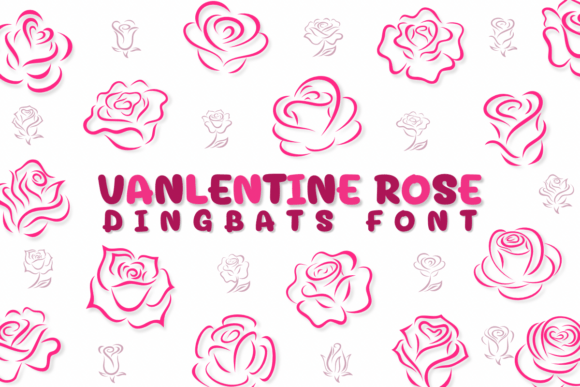
A dingbat font works by mapping ornamental characters to keys on your keyboard. Instead of typing the letter "A," you might get a single, elegant rose bloom. Valentine Rose is built on this principle, offering a suite of rose motifs that can be scaled, colored, and arranged like any other character. The visual style leans towards a classic, romantic aesthetic. The roses have soft curves and detailed lines, giving them a timeless quality that avoids looking overly cartoonish or modern. This makes Valentine Rose particularly versatile for projects where you want to evoke feelings of love, celebration, or natural beauty without relying on overly complex illustrations.
The personality of this font is decidedly graceful and intimate. It carries a sense of handcrafted care, which is why it resonates so well with wedding invitations and DIY crafts. However, its utility extends far beyond personal projects. As a design asset, it can serve as a foundational element for a brand identity centered around floristry, boutique goods, artisanal products, or even high-end hospitality. The key is to recognize it as a tool for adding specific visual texture and thematic consistency, much like choosing a particular script font or handwritten font for headlines.
Practical Applications Across Creative Fields
For graphic designers and marketers, Valentine Rose offers a quick way to inject thematic elements into layouts. In editorial design, a few rose dingbats can frame a pull quote or decorate a chapter heading in a lifestyle magazine. For packaging design, especially for products like soaps, candles, or gourmet foods, a subtle rose border created with this font can communicate artisanal quality. When used in logo design, it’s crucial to exercise restraint. A single, well-placed rose dingbat can complement a wordmark, but overuse can quickly clutter the design and reduce scalability.
In the digital space, the font finds strong footing in social media graphics. Creating a consistent visual theme for an Instagram feed or Pinterest boards becomes simpler when you have a cohesive set of floral elements at your fingertips. For web design, these dingbats can be used as decorative bullets, dividers, or background patterns, though careful testing for screen readability is essential. Entrepreneurs and content creators will find it useful for designing e-book covers, webinar slides, or promotional materials that need a romantic or springtime vibe.
Integrating Valentine Rose into Your Workflow
Choosing to use a dingbat font like Valentine Rose requires a different mindset than selecting a standard typeface. Your first step should always be to review the full character map to see every available rose variant. This helps in planning your layout and ensuring you use the most appropriate glyph for each space. A common mistake is assuming all dingbats are identical; in reality, a good set like this will include variations in size, angle, and detail.
Next, consider font pairing. The ornamental nature of Valentine Rose means it works best alongside simpler, cleaner fonts. A neutral sans serif font for body text provides excellent contrast and ensures readability. For a more classic feel, pairing it with a elegant serif font can create a sophisticated hierarchy. The goal is to let the roses be the focal point without competing with overly decorative letterforms. Always test your pairings at the intended size and medium—what looks balanced on a large poster might become muddy on a business card.
Finally, never overlook the licensing details. Since Valentine Rose is a commercial font, verify that its license covers your intended use, whether for personal crafts, client work, or products for sale. This is a critical step for maintaining professionalism and avoiding legal issues. By treating Valentine Rose as a strategic component in your toolkit—not just a novelty—you can unlock its potential to add genuine value and visual appeal to a wide array of creative projects, from heartfelt invitations to compelling brand collateral.